How to Change the Oil in a Power Washer
To change the oil in a power washer, warm the engine for a minute, set the unit level, pull the drain plug or tip it as the manual allows, and refill with the right engine oil to the fill mark. Most gas engines want the first change early in their life and a fresh fill every season after that.
On this page (9 sections)
- Does a power washer even need an oil change?
- When should you change the oil for the first time?
- What do you need before you start?
- How do you drain the old oil?
- How do you refill to the right level?
- Why is the right oil grade so important?
- What should you check while the oil is out?
- How do you get rid of the used oil?
- Which machine suits your oil-change routine?
To change the oil in a power washer, warm the engine for a minute, set the unit level, pull the drain plug or tip it as the manual allows, and refill with the right engine oil to the fill mark. Most gas engines want the first change early in their life and a fresh fill every season after that.
The job takes about 20 minutes and needs a drain pan, a funnel, and the oil grade your manual names. Do it while the engine is warm but not hot, and keep the old oil in a sealed container for recycling.
Does a power washer even need an oil change?
Gas pressure washers with a 4-stroke engine need regular engine oil changes; electric models do not. The engine has a crankcase full of oil, and it breaks down with heat and hours of use.
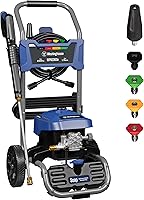
A 4-stroke engine like the 212cc unit in the Westinghouse WPX3400 Gas burns gas and holds oil separately. That oil lubricates the moving parts, so it has to be drained and replaced on a schedule.
The engine is a horizontal shaft OHV design with recoil start, and it sits in a tough steel frame on 12 inch never-flat wheels.
The pump is a different story. Many consumer pumps are axial cam designs that the maker describes as maintenance free, so there's no pump oil to change on those.
On the WPX3400 that pump delivers 2.6 gallons a minute, and it is the engine crankcase alone that takes this job. Our guide to whether an electric power washer needs oil explains which parts hold oil and which don't.
If your machine is corded, skip this job entirely. There's no crankcase to drain on an electric model.
When should you change the oil for the first time?
Change the oil after the break-in period your engine manual lists, which is often the first few hours of use. The first fill catches metal particles from a new engine, so it doesn't stay in long.
After break-in, a seasonal change works well for most homeowners. Do it at the end of the season, before the machine sits for months, so clean oil protects the engine during storage.
If you run the washer hard all summer, check hours in the manual and change sooner. A typical homeowner with a few weekend jobs fits the once-a-year pattern.
The WPX3400 carries a 1 gallon gas tank and a half gallon onboard soap tank, so a full weekend of deck and siding work is the kind of session that adds engine hours quickly.
Pair the oil change with your winter routine. Our guide to how to winterize a pressure washer covers the rest of the storage steps.
What do you need before you start?
Gather a drain pan, a funnel, the correct oil, a rag, and gloves. Have the manual handy for the drain location, oil grade, and fill amount.
You'll want:
- A shallow pan that fits under the drain plug or the tipped engine.
- Engine oil in the grade the manual names, often a small-engine SAE grade.
- A funnel with a narrow spout for the fill opening.
- Gloves and rags for spills.
- A sealed container for the used oil.
Some engines have a drain plug, while others use a short pipe or ask you to tip the unit. Check which type you have before you start, because the tools differ slightly.
The WPX3400 ships with engine oil, a funnel, tools, and a quick start guide. You still need a drain pan and fresh oil for the change itself.
Which oil should you buy for a small engine?
Match the grade printed in your engine manual rather than picking a bottle by brand or price. Small air-cooled engines often call for a specific SAE grade, and the manual is the only place that states the right one for your model.
Buy enough for the change plus a little for top-offs between sessions. Keep the bottle and note the grade so the next change is simple.
How do you drain the old oil?
Warm the engine briefly, shut it off, and drain the oil while it's still fluid. Warm oil carries more of the dirty particles out with it than cold oil does.
- Run the engine for about a minute, then shut it off and let it cool enough to touch.
- Set the washer on a level surface so the drain sits at the low point.
- Slide the drain pan under the drain plug or pipe.
- Remove the plug or cap and let the oil flow out fully.
- Replace the plug and wipe the area clean.
If your engine has no drain plug, follow the manual's tip procedure exactly. Tipping toward the wrong side can send oil into the air filter or muffler.
The steel frame and high profile wheels on the WPX3400 make it easy to move onto a flat spot first, which matters when you have to tip the unit.
Never tip a machine with a full fuel tank. Drain or run out the gas first if the manual calls for it.
How do you refill to the right level?
Pour in the manual's stated amount, then check the dipstick or fill mark and adjust. Don't guess by the bottle; the mark on the engine is the real target.
Add oil slowly through the funnel so it doesn't overflow. Let it settle for a minute, then check the level with the dipstick wiped clean and seated as the manual says.
The oil funnel that comes with the WPX3400 is handy here, though a narrow-spout funnel of your own works the same way.
If the level is low, add a little at a time. Overfilling causes foaming and can push oil past seals, so stay at the mark rather than above it.
Run the engine for a short burst, shut it off, and recheck. The filter and passages fill on that first run, so the level often drops slightly.
Why is the right oil grade so important?
The manual's grade is matched to the engine's heat and load, and the wrong grade wears it faster. Small air-cooled engines run hot, so the oil has to hold up.
A grade that's too thin can burn off in summer heat. One that's too thick can flow slowly at startup, when most wear happens.
A 212cc engine working a 3400 PSI pump under load runs hotter than a lawn mower engine doing light work, so the grade matters.
Buy the grade your manual names and keep one bottle for top-offs. Don't mix brands or weights unless the manual allows it.
Check the level before each long session, not just at the annual change. Low oil is the fastest way to ruin a small engine.
If you see a fuel or oil odor after a change, wipe the area and check the plug before you store the machine.
What should you check while the oil is out?
Look at the old oil as it drains and check the surrounding parts. Dark oil is normal, but a milky or gritty look tells you something.
- Milky oil means water got in, which can happen after storage in damp conditions.
- Metal grit in the first change is normal break-in wear; later on, it's a warning.
- A leaking drain plug needs a new washer or a tighter fit.
Check the air filter and spark plug while you're in there. Both are quick to inspect and cheap to replace.
It's also a good moment to look over the 25 ft abrasion resistant hose and the five quick connect nozzles for cracks or wear.
Use the Kärcher Pump Guard at the end of the season to protect the pump, not the engine. It's a separate product from engine oil.
The formula protects down to -25 F and suits most gas and electric washers. Pour or pull it into the pump, then turn the machine on, as the maker describes.
It adds lubrication to valves and seals, which is a different job from the crankcase oil you just changed.
How do you get rid of the used oil?
Seal the old oil in a container and take it to a recycling center or auto parts store. Never pour it on the ground or down a drain.
Most auto parts stores accept used oil for free. Keep the container labeled until you drop it off, and don't mix it with other fluids.
One change from a small engine holds well under a gallon, so a single jug covers the whole job.
Wipe up spills with rags and let them dry before throwing them away. Store fresh oil out of reach of children and pets.
If you're new to pressure washers, our explainer on pressure washer vs power washer covers the naming, and our cost guide shows how much does a pressure washer cost to run over a season.
Which machine suits your oil-change routine?
A gas washer needs this job once or twice a year; an electric one skips it. Pick based on how much power you need, not on the oil schedule alone.
The WPX3000e runs on a 120V motor with a 35 ft GFCI cord, so it suits driveways and patios without gas or oil changes. It delivers 3000 max PSI and 1.76 max GPM at its lowest pressure, or 2600 rated PSI and 1.1 rated GPM, and comes with a metal spray gun and five nozzles including a turbo tip.
If you want the extra power of gas, the WPX3400 is the one that takes this oil change. Its 3400 PSI and 2.6 GPM come from the 212cc engine, and that engine is also what makes the oil change part of ownership.
If you'd rather skip the maintenance entirely, the electric model is the simpler choice.
Either way, the steps above answer how to change oil in power washer engines: warm it, drain it, refill to the mark, and recycle the old oil. Then store the machine clean and dry until the next job.
Frequently asked questions
Can I use car oil in my pressure washer engine?
Only if the engine manual names that oil grade. Many small engines call for a specific SAE grade made for air-cooled engines, and car oil can differ.
Follow the grade in your manual and keep the bottle so the next change is simple.
What happens if I overfill the engine oil?
Too much oil can foam, raise crankcase pressure, and push past seals. Fill to the mark on the dipstick, run the engine briefly, then recheck and correct.
Wipe up spills before you start the engine.
How do I dispose of used power washer oil?
Pour it into a sealed container and take it to a recycling center or auto parts store that accepts used oil. Never pour it on the ground, down a drain, or into the trash.
Keep the container labeled until you drop it off.
Does a new gas pressure washer need an oil change right away?
Follow the break-in schedule in your engine manual, which often calls for an early first change. After that, a seasonal change before storage keeps fresh oil in the engine.
A maintenance-free pump does not need an oil change.