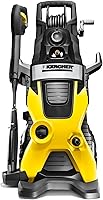
Are Electric Power Washers Powerful Enough?
Yes, for most home cleaning. A corded electric power washer in the 2,000 to 3,400 max PSI range handles cars, decks, siding, patios and driveways. Move to gas only for large jobs that need high flow for hours.
On this page (8 sections)
- What do PSI and GPM actually mean on an electric washer?
- Are electric power washers powerful enough for everyday home jobs?
- What can a 2,000 to 3,400 max PSI electric washer handle?
- How does electric pressure compare with gas for tough jobs?
- Which electric washers show what corded power can do?
- Does a surface cleaner make an electric washer more effective?
- What limits electric power in real use?
- So, are electric power washers powerful enough for you?
Yes, electric power washers are powerful enough for most home cleaning. A corded model in the 2,000 to 3,400 max PSI range handles cars, decks, siding, patios and driveways without the noise, fumes or pull cord of a gas unit.
The real question is not whether an electric washer has enough force. It's whether its pressure and flow match the surface you want to clean and how long you plan to run it.
Below is how to judge that for your own jobs.
What do PSI and GPM actually mean on an electric washer?
PSI is the pushing force; GPM is how much water comes out. Pressure breaks dirt loose and flow carries it away, so the two numbers work together rather than one replacing the other.
Max PSI is the peak a machine can hit, often at its narrowest nozzle. Rated PSI is the steady working figure, and that's the number that tells you how the washer behaves during a normal job.
A unit may advertise 3,400 max PSI while its rated pressure is 3,000 PSI.
GPM works the same way. Max flow is usually measured at the lowest pressure setting, while rated GPM is the flow you get while cleaning.
A washer with high pressure but low flow can feel weak on wide surfaces because the water clears slowly.
When you compare models, line up the rated numbers first. If a page only shows max PSI, look for the rated figure before you decide the machine is strong enough for a driveway or a fence.
Are electric power washers powerful enough for everyday home jobs?
Yes, they cover the jobs most homeowners actually do. Cars, patio furniture, decks, siding, fences, garage floors and sidewalks are all within reach of a good corded model.
Light jobs need far less pressure than people expect. Rinse a car with a wide fan tip and a foam cannon, and the dirt lifts without touching the paint.
Patio furniture and garden tools clean up with a 25 or 40 degree nozzle and a quick pass.
Mid-weight jobs are where rated PSI starts to matter. Mildew on siding, grime on a deck and dust on a fence come off faster with 2,000 rated PSI or more.
A machine in that class also drives a surface cleaner well on flat concrete.
The task that separates electric from gas is scale. A single driveway or a weekend of deck cleaning is fine.
Cleaning several large properties in a row, all day, is where flow and runtime become the limit.
What can a 2,000 to 3,400 max PSI electric washer handle?
Most models in this band clean the full list of typical household surfaces. Brick, stone, concrete, wood, aluminum and iron all appear on the spec sheets of corded washers in this range.
Higher max PSI gives you more headroom for stubborn dirt, but the nozzle does most of the work on delicate surfaces. A 0 degree tip concentrates the stream and should stay away from paint, glass and wood.
Wider tips spread the force and suit siding, decks and cars.
Soap tanks matter for the same reason. A built-in tank lets you lay down detergent before the rinse pass, which loosens grime so lower pressure can finish the job.
Two separate tanks let you keep a car soap and a deck cleaner ready at once.
One practical limit is the cord. A 35 ft GFCI cord reaches most of a driveway from one outlet, but you'll want an extension plan for the far side of a house.
That reach is the trade-off for not carrying fuel.
How does electric pressure compare with gas for tough jobs?
Gas wins on flow and endurance; electric wins on ease and consistency. A gas unit typically moves more water per minute, which speeds up wide, dirty surfaces and long sessions.
For a single concrete pad or a muddy fence line, a strong electric washer finishes the job without the setup. It starts with a switch, runs quietly enough for a weekend morning, and needs no fuel can or choke.
For repeated work on large areas, the extra GPM of gas shortens each pass. That matters if you clean for a living or maintain several properties.
For one household, the time saved rarely justifies the fuel, noise and maintenance.
Electric also has no exhaust, so you can use it in a garage with the door cracked or on a patio near the house. Gas needs outdoor ventilation at all times.
If you want to compare machine types directly, the best electric pressure washers roundup shows what corded units deliver at each level.
Which electric washers show what corded power can do?
Two corded models show the range well: one pushes high pressure and flow for big surfaces, the other keeps a lower profile for routine cleaning.
Westinghouse WPX3400e: the high-output pick
The Westinghouse WPX3400e is the strongest example here, with 3400 max PSI and 2 max GPM, plus 3000 rated PSI and 1.1 rated GPM. A true brushless motor and a maintenance-free axial pump back that up.
It comes with a half gallon onboard soap tank and five quick-connect nozzles, including a turbo tip for concrete. The steel frame and 10 inch never-flat wheels help when you drag it around a yard.
The 25 ft hose and 35 ft GFCI cord cover a good working radius from one outlet. Buyers who want one corded machine for the whole house should start here.
Westinghouse backs it with a 3-year limited warranty.
Sun Joe SPX3000: the routine-cleanup pick
The Sun Joe SPX3000 runs 2500 max PSI and 2030 PSI PWMA rated pressure, with 1.2 GPM rated flow. That's plenty for cars, furniture and light siding work.
Its two 0.9L detergent tanks let you store separate solutions and switch between them. The 34 inch stainless lance and 20 ft hose keep it simple to handle, and the unit weighs 24.3 lb.
Pick it if your cleaning is mostly vehicles, outdoor furniture and small hardscapes. Step up to the Westinghouse when driveways and full siding jobs are on the list.
Our best budget pressure washers guide covers other low-cost corded options.
Does a surface cleaner make an electric washer more effective?
Yes, on flat surfaces. A surface cleaner spins a wide jet under a housing, so it cleans concrete and decks faster and with fewer streaks than a hand wand.
The Westinghouse 16.5-Inch Surface Cleaner is rated to 4400 max PSI and uses a 1/4 inch quick connect, so it fits most electric and gas washers. Its stainless steel body handles tough flat work.
It covers a 16.5 inch path, which means fewer passes on a wide driveway. Add one if flat concrete or a large deck is your main job.
For brand-specific options, see the best Kärcher pressure washers roundup.
What limits electric power in real use?
Cord reach, outlet capacity and pump duty are the main limits, not raw force. These are the practical constraints to plan around.
Most corded units draw about 13 amps on a 120V circuit. Running one alongside a space heater or another motor on the same circuit can trip the breaker, so give the washer its own outlet where possible.
Runtime is the second limit. Electric pumps are built for sessions with breaks rather than hours of continuous work.
Release the trigger when you pause and don't leave the machine running while you move the hose or refill a bucket.
Hose length caps your radius too. A 20 or 25 ft hose plus a 35 ft cord reaches most of a typical driveway, but a long property may need an extension cord rated for the load.
Finally, electric units need no oil changes in the pump on many models, though some do, so read the manual. Our guide on whether an electric power washer needs oil explains which types require it.
So, are electric power washers powerful enough for you?
For almost every household job, yes. Pick a corded model with rated PSI and GPM that match your surfaces, and it will handle cars, decks, siding, fences and patios without fuel or fumes.
The Westinghouse WPX3400e is the pick when you want the most pressure and flow in this group. The Sun Joe SPX3000 suits lighter, frequent cleaning around cars and furniture.
Add the Westinghouse surface cleaner if flat concrete is a regular task.
Move to gas only when you need long, continuous runs on large areas. For everything else, an electric washer with the right nozzle and a soap tank does the job.
If you're still deciding between corded models, the best electric pressure washers roundup puts the strongest options side by side.
Frequently asked questions
Can an electric power washer clean a concrete driveway?
Yes, a corded unit with at least 2,500 max PSI and a 25 degree or turbo nozzle will lift dirt and light stains from concrete. Work in strips and overlap each pass.
Deep oil stains and old paint often need a surface cleaner or a stronger gas machine.
How many PSI do I need for washing a car?
Around 1,200 to 1,900 rated PSI is plenty for car paint when you keep the nozzle at a safe distance. Use the 25 or 40 degree tip and a foam cannon for soap.
Very high pressure held close to the surface can mark paint or trim.
Is gas always stronger than electric?
Gas machines usually deliver more flow (GPM) and run without a cord, so they suit long jobs and remote sites. A high-end electric can match or beat many small gas units on pressure, and it starts with a switch instead of a pull cord.
Do electric power washers run on a normal outlet?
Most corded models run on a standard 120V household outlet and draw around 13 amps. That means you should avoid running one on the same circuit as other big appliances.
Check the cord and outlet rating before you start.
How long can an electric power washer run at once?
Plan on short sessions with breaks, and never leave the unit running while you set it down or move the hose. Release the trigger when you pause.
Continuous running with no water flow can overheat the pump, so follow the maker's duty guidance.