Are Battery Powered Pressure Washers Any Good?
Yes, for light jobs only. Battery powered pressure washers are good for rinsing cars, bikes and patio furniture, but they can't match the pressure and flow of a corded electric washer for driveways and heavy grime.
On this page (9 sections)
- What can a battery pressure washer actually clean?
- Are battery powered pressure washers any good compared with corded electric?
- When does cordless cleaning make sense?
- How much pressure and flow do you lose going cordless?
- Which corded electric washers suit the jobs battery models struggle with?
- How long does a charge last, and what does that mean for a job?
- Is a battery pressure washer safe to use around the house?
- Do the batteries and build last?
- So are battery powered pressure washers any good for you?
Yes, battery powered pressure washers are good for light cleaning. They handle car rinses, bikes, patio furniture and small jobs well, but they fall short on pressure and flow for driveways and heavy grime.
The real question is what you plan to clean. A battery model trades power for freedom from the cord, and that trade is worth it for some buyers and a poor deal for others.
This guide breaks down where the cordless type works and where a corded electric washer is the better buy.
What can a battery pressure washer actually clean?
A battery pressure washer cleans light, loose dirt well. It's a good fit for car paint, wheel arches, garden furniture, bikes and mud on boots.
The pressure on most cordless units is modest, so it rinses and lifts surface film rather than blasting off years of grime. That gentle output is an advantage on paint and delicate trim.
It is not built for stripping moss from a driveway or cleaning a concrete patio. Those jobs need high flow and steady pressure over a wide area, and a battery unit runs out of charge before the job is done.
Think of it as a powered garden hose with a spray gun. That covers a lot of weekend cleaning, just not the heavy work.
Are battery powered pressure washers any good compared with corded electric?
Corded electric models are stronger and cheaper for the same cleaning power. Battery washers win on portability, and that's about it for most homes.
A corded unit draws steady power from the wall, so makers can fit bigger motors and pumps. The best electric pressure washer options reach 1,800 to 2,700 PSI with real flow behind them.
A battery washer usually sits well below that.
Corded units also cost less per unit of cleaning power. You're not paying for batteries and a charger in the box.
A budget pressure washer corded model often cleans harder than a mid-range cordless one.
The catch is the cord. You need an outdoor outlet and an extension cord rated for the load, and you're tethered within reach of the house.
When does cordless cleaning make sense?
Cordless makes sense when there's no outlet nearby. Boats at a ramp, cars parked on the street, allotments and remote sheds are the clear cases.
If your tap and power are far apart, dragging a cord and hose around kills the appeal of any pressure washer. A battery model with its own water draw solves that.
Some units pull from a bucket or water butt, which suits renters and boat owners.
It also helps if you already own the brand's batteries. Many makers share one battery across mowers, trimmers and washers, so a bare-tool purchase costs less and the batteries do double duty.
For quick rinses you'll actually do often, the lack of setup is the point. A cordless washer you grab and use beats a corded one that stays in the shed.
How much pressure and flow do you lose going cordless?
Expect noticeably less pressure and water flow than a corded model. That's the honest answer to whether battery powered pressure washers are any good for tough jobs.
Pressure is the force of the spray. Flow is how much water comes out.
Cleaning speed depends on both, and cordless units cut back on each to stretch the battery.
Corded models show the gap clearly. The Greenworks 2700 PSI Brushless delivers 2,700 max PSI and 2.3 max GPM, with flow varying by nozzle.
That's serious cleaning power from a wall outlet.
A battery washer's smaller pump and limited power supply can't sustain numbers like that. For light rinsing it doesn't matter.
For a dirty driveway, it's the difference between minutes and hours.
Which corded electric washers suit the jobs battery models struggle with?
Corded electric washers cover the heavy jobs a battery unit can't. These three are the practical fallback when you have an outlet and real grime.
Greenworks 2700 PSI Brushless
This is the strongest of the three on paper. Greenworks says the TruBrushless motor adapts power to the nozzle, and the cast aluminum axial cam pump is built for steady residential use.
It has five quick-connect nozzles, a 25-foot hose and a 35-foot GFCI cord. The 23 kg weight and steel frame mean it stays put rather than moving around the yard.
Westinghouse WPX2300e
Westinghouse rates this at 2,300 max PSI and 1.76 max GPM at lowest pressure. A 0.42-gallon soap tank and five nozzles cover cars, fences and patio furniture.
The steel frame and 8-inch never-flat wheels help on uneven ground, and the 35-foot GFCI cord gives reach. It's lighter than the Greenworks at 27.5 lb.
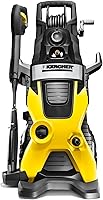
Kärcher K1800PS
The Kärcher K1800PS runs at 1,800 PSI and 1.2 GPM and is CETA certified. Three nozzles and a removable 0.5-gallon detergent tank handle regular home cleaning.
An on/off foot switch saves bending, and the unit stops when you release the trigger. It's the lightest of the three at 24.1 lb and the easiest to store.
Our guide to the best Kärcher pressure washer covers the brand's range if you want to compare models.
How long does a charge last, and what does that mean for a job?
A battery washer runs for a short session per charge, not a full afternoon. That limit shapes what jobs they suit.
Runtime varies with the battery size and the nozzle you use. A turbo or narrow nozzle draws more power and drains the battery faster than a wide fan tip.
Plan on short bursts and keep a spare battery if you have more than one car.
The practical effect is that you work in stages. Rinse a section, stop, swap or recharge, then move on.
For a car or a few garden chairs that's fine. For a whole driveway it turns one job into several.
Cold weather cuts battery runtime too. If you clean in winter, keep the battery indoors until you start.
Is a battery pressure washer safe to use around the house?
Yes, and its lower pressure is actually gentler on surfaces. There's less risk of stripping paint or gouging wood than with a strong corded jet.
Keep the wand moving and use a wide nozzle on paint, car panels and soft wood. Even a modest jet held in one spot can mark a surface.
Battery water pressure is easier to control for a beginner.
Cordless units also remove the trip hazard of a long power lead. That matters on steps, decks and around a pool.
Never point any pressure washer at people or pets, and wear eye protection. Battery packs should stay dry and charge indoors, away from the spray.
Do the batteries and build last?
Battery life depends on the pack and how you treat it, and the washer's pump matters just as much. Most cordless units use a plastic pump body, which suits light, occasional use.
Store batteries at room temperature and away from frost. Recharge them before they run flat if the washer sits for months.
A spare battery extends the working time more than a bigger nozzle ever will.
The pump is the part that wears. Light rinsing puts little strain on it, so a well-kept cordless unit should give years of weekend use.
Heavy, repeated cleaning is where a corded model's metal pump earns its keep.
Check the maker's warranty on both the tool and the battery, since they often differ. For a pressure washer for home use that covers everything from cars to patios, a corded model is the safer long-term buy.
So are battery powered pressure washers any good for you?
They're good if your cleaning is light and often far from an outlet. Buy one for car rinses, bikes, boats and garden furniture, and keep expectations modest.
Skip the cordless type if driveways, concrete or heavy moss are on your list. Those jobs call for a corded electric washer, and the Greenworks 2700 PSI Brushless is the strongest of the three here for that work.
The Westinghouse WPX2300e is the balanced choice, and the Kärcher K1800PS is the light, tidy option for smaller jobs.
The decision rule is simple. If you need real cleaning power at home, go corded.
If freedom from the cord is what you're buying, a battery washer earns its place for light jobs.
Frequently asked questions
How long does a battery pressure washer run on one charge?
Runtime depends on the battery and the job. Plan short sessions and keep a spare battery if you have a lot to clean.
Can a battery pressure washer clean a car without damaging paint?
Yes. Its gentler pressure is actually a good match for car paint and wheels.
Use a wide nozzle and keep the wand moving, and it rinses soap off safely without the risk of a strong corded jet.
Is a battery pressure washer worth it over a corded one?
It's worth it if you clean far from an outlet, such as a boat ramp or a car without a nearby plug. For home jobs near power, a corded electric washer gives more cleaning power for the money.
Do battery pressure washers use the same batteries as other tools?
Often yes. Many brands share one battery platform across their mowers, trimmers and washers.
If you already own that brand's batteries, a bare-tool washer can be a cheaper way in.